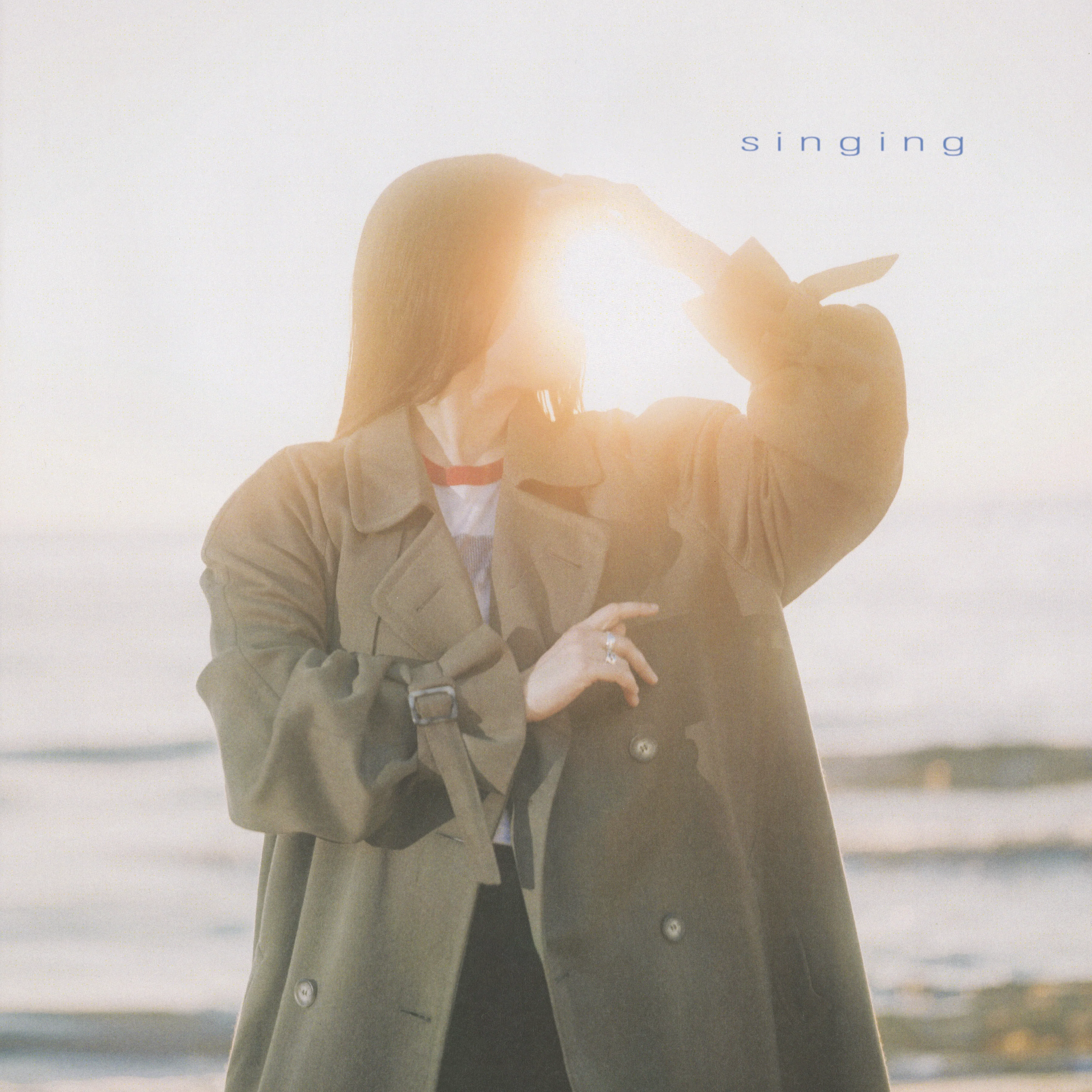
Singing
Every artist has to discover their voice. Gia Margaret didn’t find herself until she lost hers. With a vocal injury that kept her from singing for years, she developed other musical languages, mastering the grammar of an intricate, homey form of ambient music pioneered by Ernest Hood and perfected by The Books. Now, her physical voice healed and her artistic voice honed, she comes full circle with Singing, her first vocal album since 2018’s There’s Always Glimmer. Led by soft piano lines that fall like breath on glass, the music on Singing evidences the same jeweller’s sensitivity to detail that she developed in her silence. “There was a time when I really didn’t know if I would sing again. So once I healed, there was a lot of internal pressure to come back strong,” Margaret says. “I didn’t know who I was anymore. So it felt like beginning again, and reconnecting with these very old, old parts of myself.” This feeling of intermixed alienation and rediscovery is palpable across the album.
The album was partially recorded in London with Frou Frou’s Guy Sigsworth, who helped Margaret unify the spree of ideas she had for “Good Friend,” an album highlight that includes Gregorian chant by ILĀ and turntable scratches, among many other things. David Bazan and Amy Millan also make appearances, as do Kurt Vile and Sean Carey, while Margaret’s longtime collaborator Doug Saltzman plays on and co-produces much of the record. Deb Talan, previously of The Weepies, lends her voice, piano, and guitar to the album's closing—and definitive—statement, "E-Motion." Gia Margaret is always singing. Every note of this album sings a warm requiem to her past selves; every layer sings her future self into being. Across the album, she applies the lessons of speechlessness—the quasirational ways we communicate without communicating, the way formless sound can cut to the heart of things like a scalpel—to her own artistic voice.
Original: $19.99
-70%$19.99
$6.00More Images
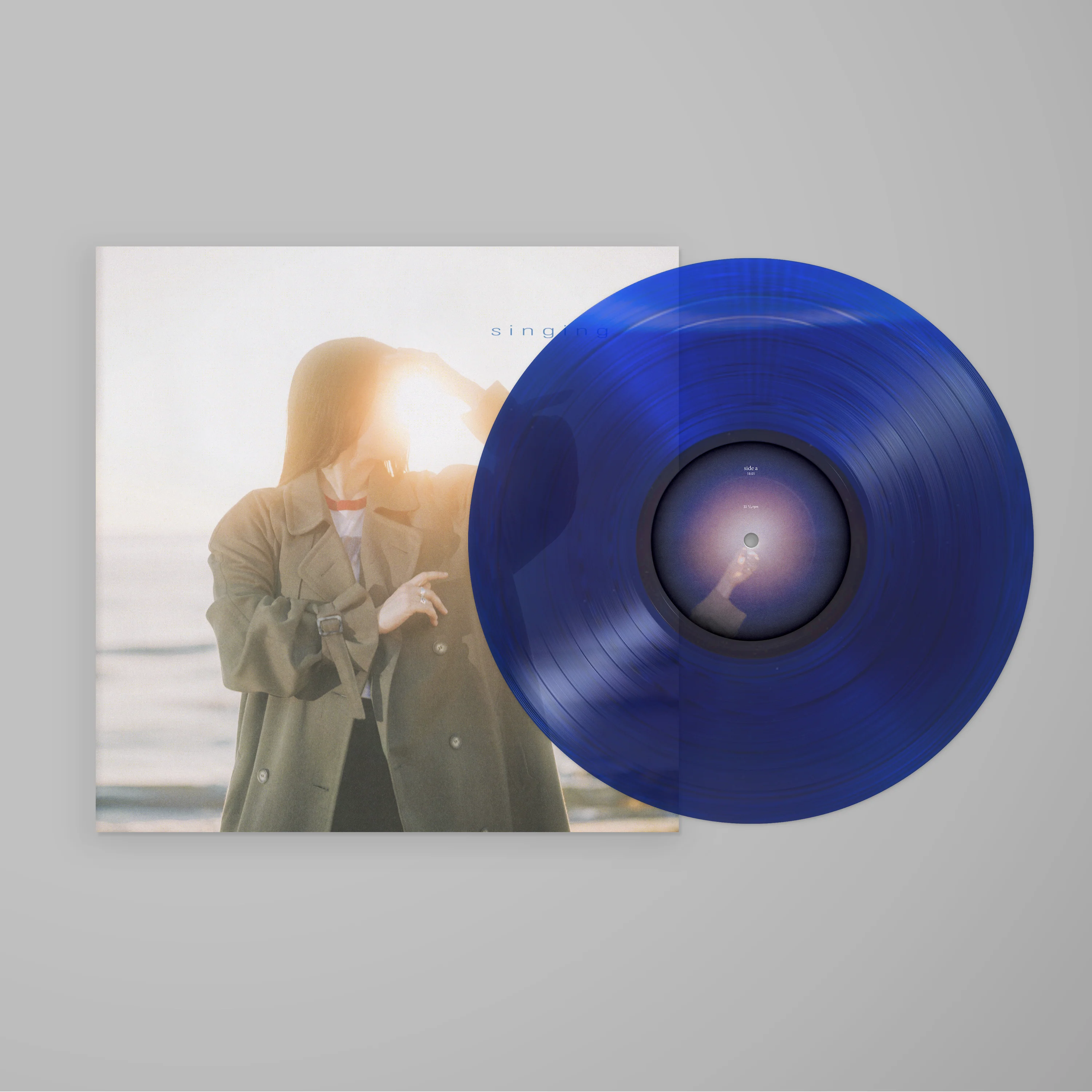
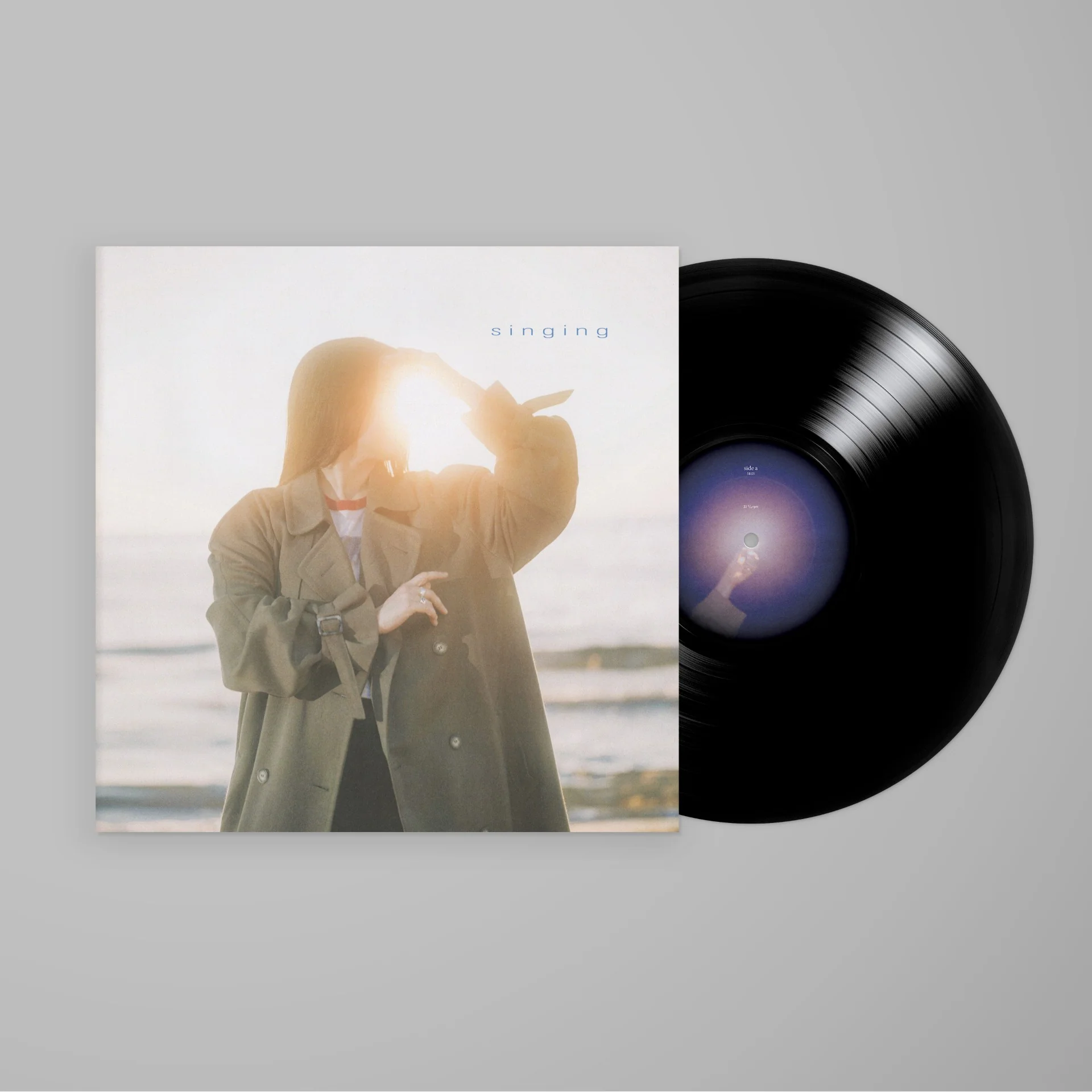
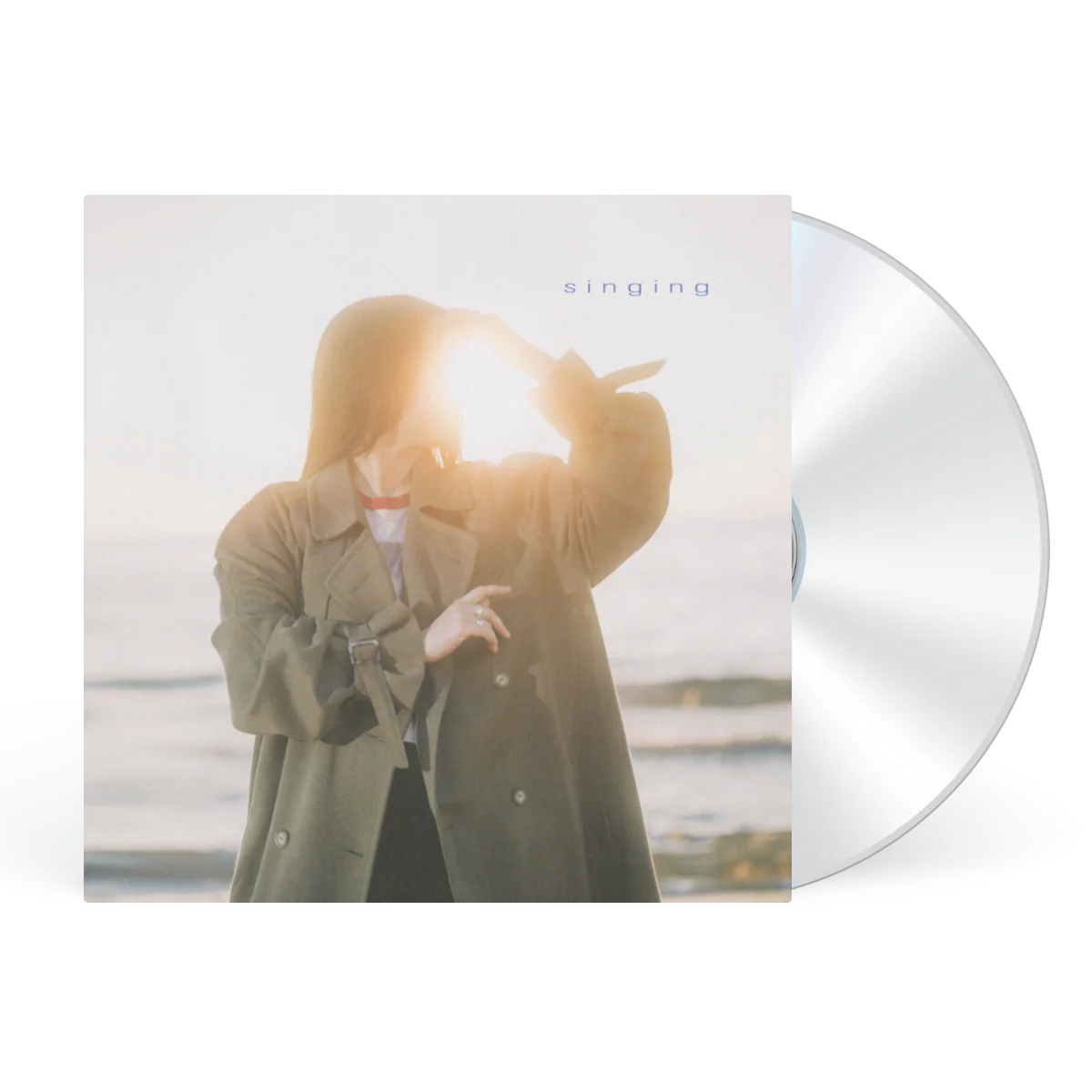
Singing
Every artist has to discover their voice. Gia Margaret didn’t find herself until she lost hers. With a vocal injury that kept her from singing for years, she developed other musical languages, mastering the grammar of an intricate, homey form of ambient music pioneered by Ernest Hood and perfected by The Books. Now, her physical voice healed and her artistic voice honed, she comes full circle with Singing, her first vocal album since 2018’s There’s Always Glimmer. Led by soft piano lines that fall like breath on glass, the music on Singing evidences the same jeweller’s sensitivity to detail that she developed in her silence. “There was a time when I really didn’t know if I would sing again. So once I healed, there was a lot of internal pressure to come back strong,” Margaret says. “I didn’t know who I was anymore. So it felt like beginning again, and reconnecting with these very old, old parts of myself.” This feeling of intermixed alienation and rediscovery is palpable across the album.
The album was partially recorded in London with Frou Frou’s Guy Sigsworth, who helped Margaret unify the spree of ideas she had for “Good Friend,” an album highlight that includes Gregorian chant by ILĀ and turntable scratches, among many other things. David Bazan and Amy Millan also make appearances, as do Kurt Vile and Sean Carey, while Margaret’s longtime collaborator Doug Saltzman plays on and co-produces much of the record. Deb Talan, previously of The Weepies, lends her voice, piano, and guitar to the album's closing—and definitive—statement, "E-Motion." Gia Margaret is always singing. Every note of this album sings a warm requiem to her past selves; every layer sings her future self into being. Across the album, she applies the lessons of speechlessness—the quasirational ways we communicate without communicating, the way formless sound can cut to the heart of things like a scalpel—to her own artistic voice.
Product Information
Product Information
Shipping & Returns
Shipping & Returns
Description
Every artist has to discover their voice. Gia Margaret didn’t find herself until she lost hers. With a vocal injury that kept her from singing for years, she developed other musical languages, mastering the grammar of an intricate, homey form of ambient music pioneered by Ernest Hood and perfected by The Books. Now, her physical voice healed and her artistic voice honed, she comes full circle with Singing, her first vocal album since 2018’s There’s Always Glimmer. Led by soft piano lines that fall like breath on glass, the music on Singing evidences the same jeweller’s sensitivity to detail that she developed in her silence. “There was a time when I really didn’t know if I would sing again. So once I healed, there was a lot of internal pressure to come back strong,” Margaret says. “I didn’t know who I was anymore. So it felt like beginning again, and reconnecting with these very old, old parts of myself.” This feeling of intermixed alienation and rediscovery is palpable across the album.
The album was partially recorded in London with Frou Frou’s Guy Sigsworth, who helped Margaret unify the spree of ideas she had for “Good Friend,” an album highlight that includes Gregorian chant by ILĀ and turntable scratches, among many other things. David Bazan and Amy Millan also make appearances, as do Kurt Vile and Sean Carey, while Margaret’s longtime collaborator Doug Saltzman plays on and co-produces much of the record. Deb Talan, previously of The Weepies, lends her voice, piano, and guitar to the album's closing—and definitive—statement, "E-Motion." Gia Margaret is always singing. Every note of this album sings a warm requiem to her past selves; every layer sings her future self into being. Across the album, she applies the lessons of speechlessness—the quasirational ways we communicate without communicating, the way formless sound can cut to the heart of things like a scalpel—to her own artistic voice.