Metropolis
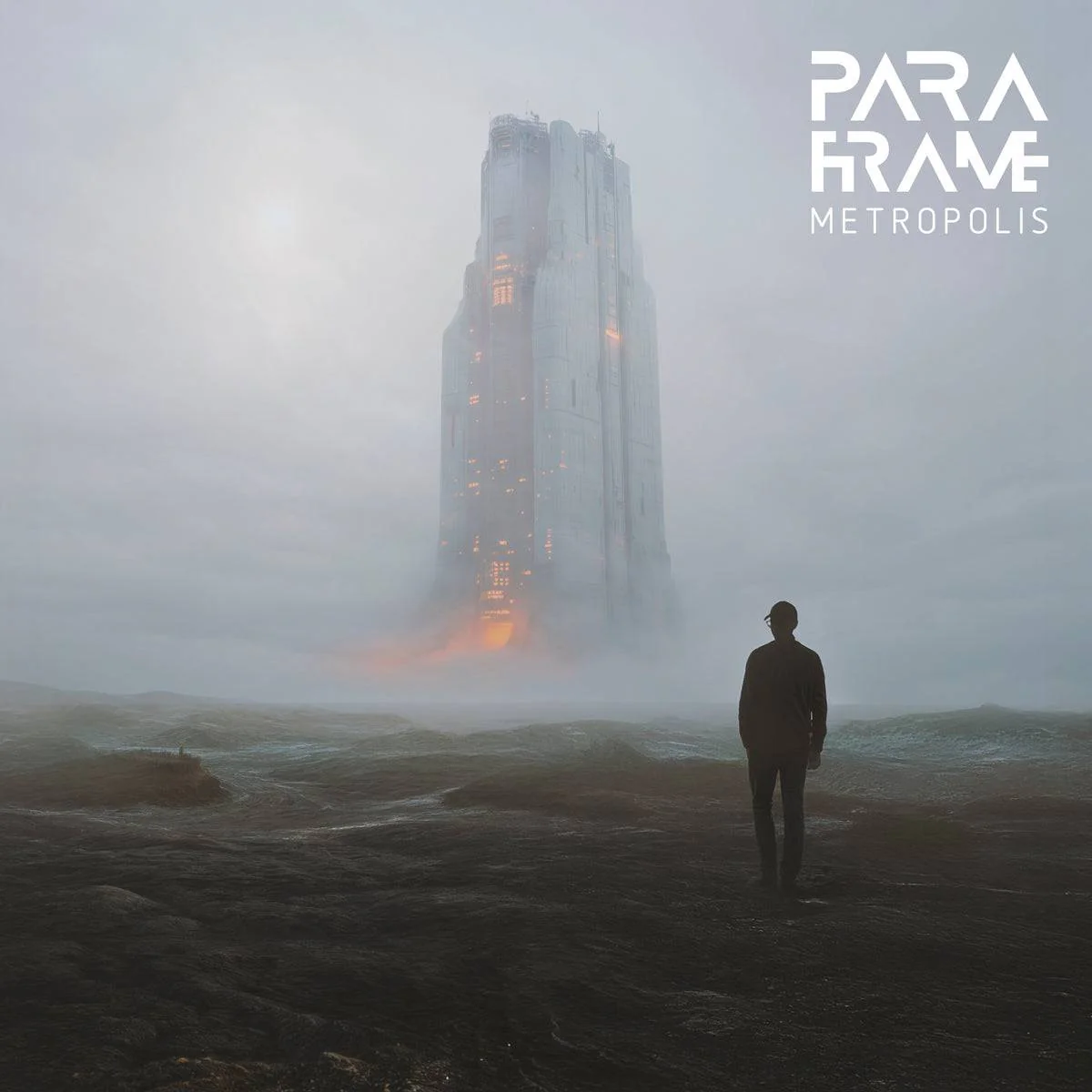
The Future is what Pavel Khvaleev does … until perhaps he doesn’t. Are we about to shatter a decade-long universal truth? Well, a little bit. Pavel’s fifth longform takes both name and inspiration from Fritz Lang’s iconic Metropolis - a breathtaking vision of retro-modern grandeur, meeting expressionist dystopia, high above cloudscraping edifices and stark industrial backdrops. That however was as so close to a hundred years ago as to make little difference. Pavel, by contrast, only began work on his ‘Metropolis’ after the release of his last two studio albums (‘Inhale’ and ‘Exhale’) in 2021. To do so, he’s drawn on a wellspring of collaborators from the pool of actors, singers, songwriters and voice artists he’s built up over twenty years of film and musicmaking. To put that into ‘Metropolis’s context, it includes Ryan Masson (soon to be seen in season 2 of The Last of Us) and the recently Grammy nominated singer Haley Johnsen. 1927’s Metropolis was a fusion of visual storytelling, uncanny silent era ether and strikingly toned music - a modus that Khvaleev’s respectfully channelled into his interpretation. When composing, his mind’s eye will take him places visually very specific indeed. To spaces that could be, well … anywhere but here. Naturally though, the frustration was he was ‘there’, but his audience wasn’t. Waiting for technology to catch up has long been the bane of the visionary, but historically the payoff is it gets there in the end.
Metropolis
The Future is what Pavel Khvaleev does … until perhaps he doesn’t. Are we about to shatter a decade-long universal truth? Well, a little bit. Pavel’s fifth longform takes both name and inspiration from Fritz Lang’s iconic Metropolis - a breathtaking vision of retro-modern grandeur, meeting expressionist dystopia, high above cloudscraping edifices and stark industrial backdrops. That however was as so close to a hundred years ago as to make little difference. Pavel, by contrast, only began work on his ‘Metropolis’ after the release of his last two studio albums (‘Inhale’ and ‘Exhale’) in 2021. To do so, he’s drawn on a wellspring of collaborators from the pool of actors, singers, songwriters and voice artists he’s built up over twenty years of film and musicmaking. To put that into ‘Metropolis’s context, it includes Ryan Masson (soon to be seen in season 2 of The Last of Us) and the recently Grammy nominated singer Haley Johnsen. 1927’s Metropolis was a fusion of visual storytelling, uncanny silent era ether and strikingly toned music - a modus that Khvaleev’s respectfully channelled into his interpretation. When composing, his mind’s eye will take him places visually very specific indeed. To spaces that could be, well … anywhere but here. Naturally though, the frustration was he was ‘there’, but his audience wasn’t. Waiting for technology to catch up has long been the bane of the visionary, but historically the payoff is it gets there in the end.
Product Information
Product Information
Shipping & Returns
Shipping & Returns
Description
The Future is what Pavel Khvaleev does … until perhaps he doesn’t. Are we about to shatter a decade-long universal truth? Well, a little bit. Pavel’s fifth longform takes both name and inspiration from Fritz Lang’s iconic Metropolis - a breathtaking vision of retro-modern grandeur, meeting expressionist dystopia, high above cloudscraping edifices and stark industrial backdrops. That however was as so close to a hundred years ago as to make little difference. Pavel, by contrast, only began work on his ‘Metropolis’ after the release of his last two studio albums (‘Inhale’ and ‘Exhale’) in 2021. To do so, he’s drawn on a wellspring of collaborators from the pool of actors, singers, songwriters and voice artists he’s built up over twenty years of film and musicmaking. To put that into ‘Metropolis’s context, it includes Ryan Masson (soon to be seen in season 2 of The Last of Us) and the recently Grammy nominated singer Haley Johnsen. 1927’s Metropolis was a fusion of visual storytelling, uncanny silent era ether and strikingly toned music - a modus that Khvaleev’s respectfully channelled into his interpretation. When composing, his mind’s eye will take him places visually very specific indeed. To spaces that could be, well … anywhere but here. Naturally though, the frustration was he was ‘there’, but his audience wasn’t. Waiting for technology to catch up has long been the bane of the visionary, but historically the payoff is it gets there in the end.