Iivana Mišukka
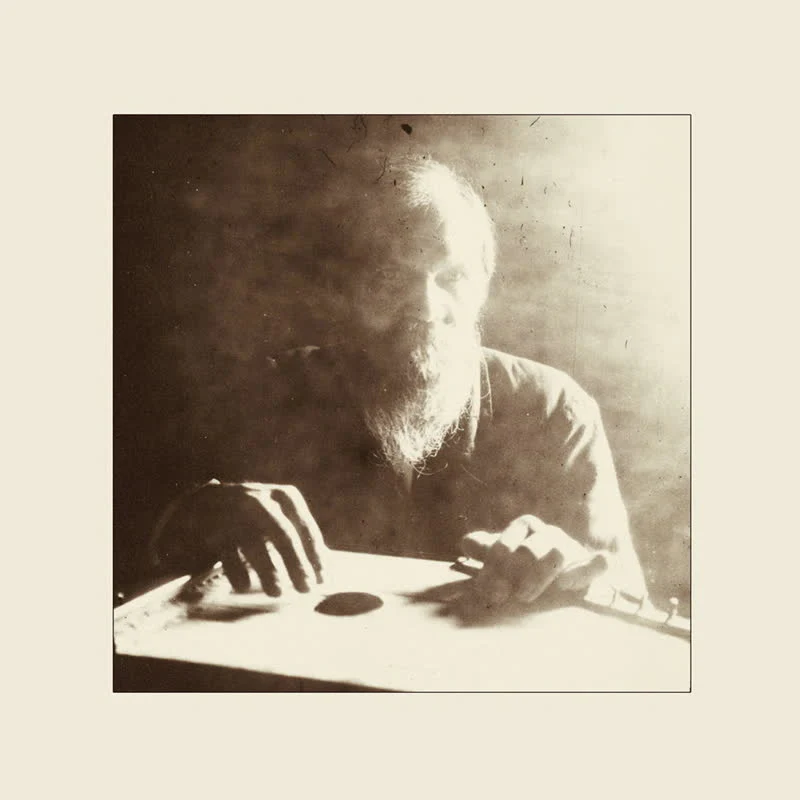
Death Is Not The End present a further volume of Arja Kastinen's eerie amalgamations of 110 year old wax cylinders with her own meticulously transcribed takes, this time focussing in on Armas Otto Väisänen's field recordings of kantele player Iivana Mišukka (b. 1861 d.1919).
"Ivana Mišukka (1861–1919) was one of the Karelian kantele players recorded by the folk music researcher Armas Otto Väisänen on wax cylinders in 1916 and 1917. In the early 20th century, the remote areas of Border Karelia were undergoing the final phase of a transformation in musical culture, with the ancient runo song tradition giving way to newer forms of music. This transition is reflected in Mišukka's repertoire and choice of instrument. The ancient small kantele, hollowed out of a single piece of wood, was already rare at the turn of the century. Mišukka's kantele was a new type of instrument with 26 strings, constructed of several parts, but he played it using the traditional plucking technique. Like other Border Karelian kantele players, his repertoire consisted of music rooted in runosong culture, as well as newer dances and songs from the east and west. Most of the recorded material falls into the latter category.
Original: $26.66
-70%$26.66
$8.00More Images
Iivana Mišukka
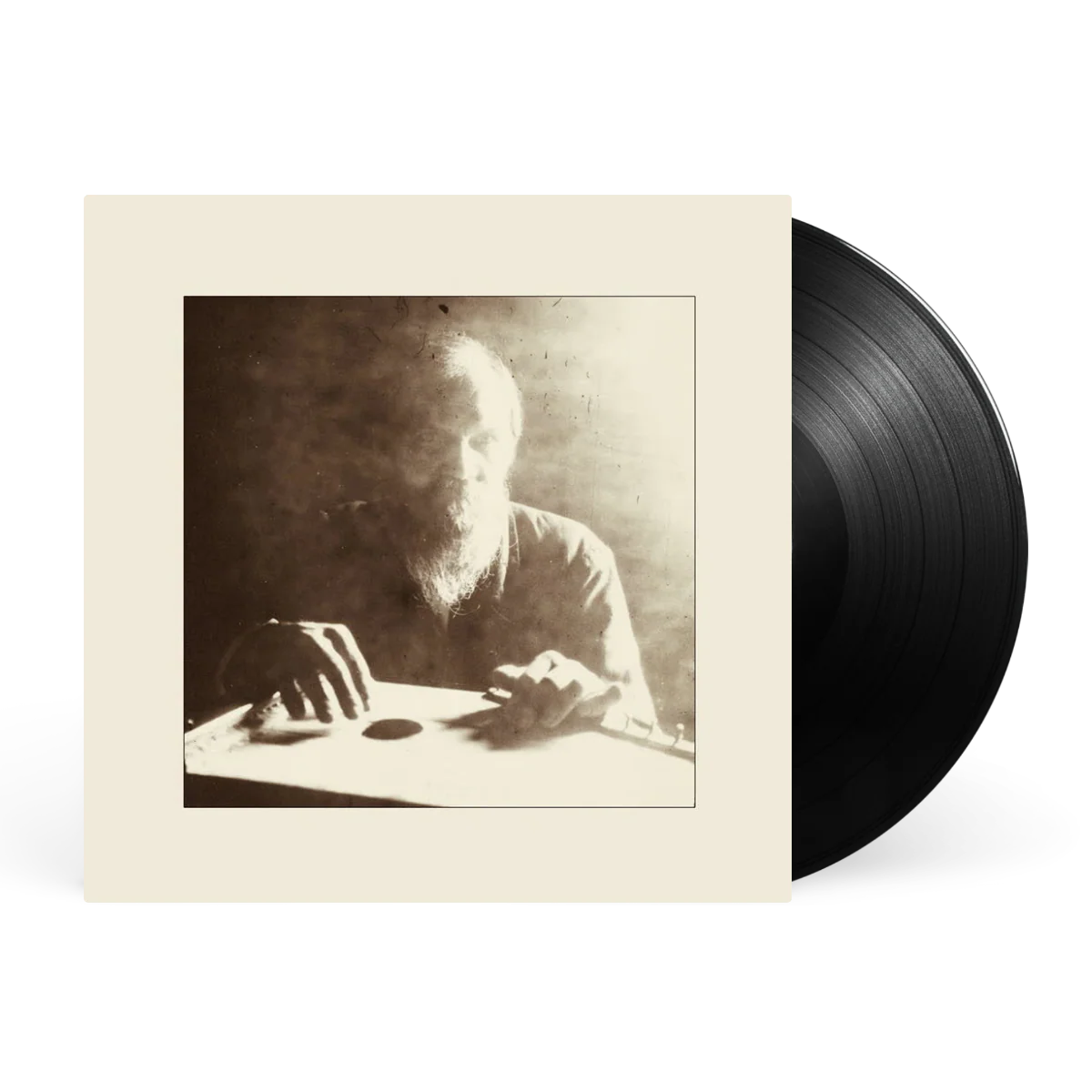
Death Is Not The End present a further volume of Arja Kastinen's eerie amalgamations of 110 year old wax cylinders with her own meticulously transcribed takes, this time focussing in on Armas Otto Väisänen's field recordings of kantele player Iivana Mišukka (b. 1861 d.1919).
"Ivana Mišukka (1861–1919) was one of the Karelian kantele players recorded by the folk music researcher Armas Otto Väisänen on wax cylinders in 1916 and 1917. In the early 20th century, the remote areas of Border Karelia were undergoing the final phase of a transformation in musical culture, with the ancient runo song tradition giving way to newer forms of music. This transition is reflected in Mišukka's repertoire and choice of instrument. The ancient small kantele, hollowed out of a single piece of wood, was already rare at the turn of the century. Mišukka's kantele was a new type of instrument with 26 strings, constructed of several parts, but he played it using the traditional plucking technique. Like other Border Karelian kantele players, his repertoire consisted of music rooted in runosong culture, as well as newer dances and songs from the east and west. Most of the recorded material falls into the latter category.
Product Information
Product Information
Shipping & Returns
Shipping & Returns
Description
Death Is Not The End present a further volume of Arja Kastinen's eerie amalgamations of 110 year old wax cylinders with her own meticulously transcribed takes, this time focussing in on Armas Otto Väisänen's field recordings of kantele player Iivana Mišukka (b. 1861 d.1919).
"Ivana Mišukka (1861–1919) was one of the Karelian kantele players recorded by the folk music researcher Armas Otto Väisänen on wax cylinders in 1916 and 1917. In the early 20th century, the remote areas of Border Karelia were undergoing the final phase of a transformation in musical culture, with the ancient runo song tradition giving way to newer forms of music. This transition is reflected in Mišukka's repertoire and choice of instrument. The ancient small kantele, hollowed out of a single piece of wood, was already rare at the turn of the century. Mišukka's kantele was a new type of instrument with 26 strings, constructed of several parts, but he played it using the traditional plucking technique. Like other Border Karelian kantele players, his repertoire consisted of music rooted in runosong culture, as well as newer dances and songs from the east and west. Most of the recorded material falls into the latter category.