Giant Steps
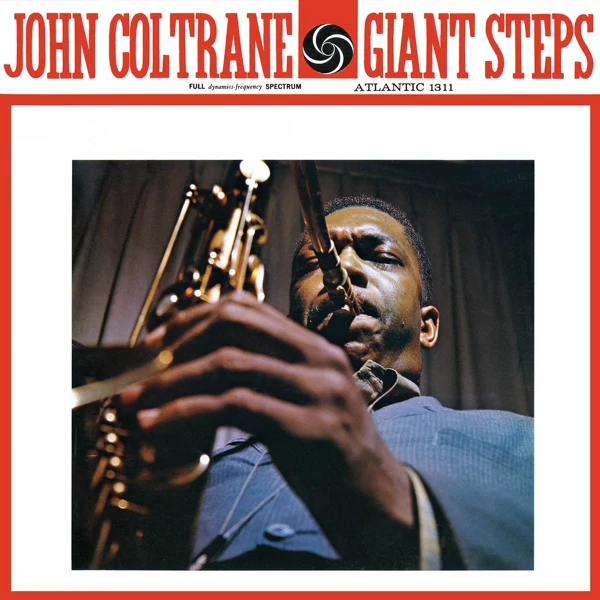
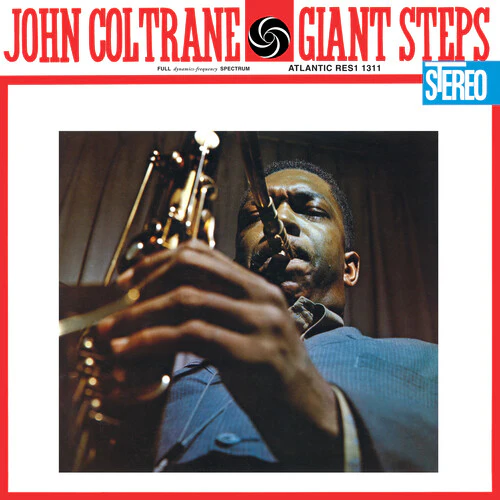
John Coltrane’s Giant Steps (1960) is a landmark jazz album that redefined modern improvisation. Known for its groundbreaking harmonic structure especially the rapid and complex chord changes that came to be called “Coltrane changes”—the record showcases Coltrane’s technical mastery and visionary approach to composition. Featuring the now-classic title track along with pieces like “Naima” and “Cousin Mary,” Giant Steps captures Coltrane at a pivotal moment, pushing beyond hard bop into new territory that would influence generations of jazz musicians. It remains one of the most studied and celebrated works in the history of jazz.
Original: $60.02
-70%$60.02
$18.01More Images
Giant Steps
John Coltrane’s Giant Steps (1960) is a landmark jazz album that redefined modern improvisation. Known for its groundbreaking harmonic structure especially the rapid and complex chord changes that came to be called “Coltrane changes”—the record showcases Coltrane’s technical mastery and visionary approach to composition. Featuring the now-classic title track along with pieces like “Naima” and “Cousin Mary,” Giant Steps captures Coltrane at a pivotal moment, pushing beyond hard bop into new territory that would influence generations of jazz musicians. It remains one of the most studied and celebrated works in the history of jazz.
Product Information
Product Information
Shipping & Returns
Shipping & Returns
Description
John Coltrane’s Giant Steps (1960) is a landmark jazz album that redefined modern improvisation. Known for its groundbreaking harmonic structure especially the rapid and complex chord changes that came to be called “Coltrane changes”—the record showcases Coltrane’s technical mastery and visionary approach to composition. Featuring the now-classic title track along with pieces like “Naima” and “Cousin Mary,” Giant Steps captures Coltrane at a pivotal moment, pushing beyond hard bop into new territory that would influence generations of jazz musicians. It remains one of the most studied and celebrated works in the history of jazz.