Dras
Alex Zhang Hungtai stands in stillness on Dras, but it’s the kind of stillness that contains entire ranges of possibility. Recorded in 2019 inside Montreal’s Saint Joseph Oratory (right before a piano demolition, no less), these nine pieces sat dormant on his hard drive through pandemic years until something finally clicked. What emerges now feels like watching someone trace the contours of their own interior landscape, each melodic line a careful negotiation with the unconscious. This is only a saxophone record in the barest sense.
The terrain here is tactile and unforgiving. On the title track, difficult melodies get torn apart and molded into emotive drones, dissonance interlocking where tones cut paths through the senses with metallic sheen. “El Khela” refracts into spectral layers that pull with eternal gravity, while “Estado” finds solace inside its own haze, rhythms barely audible but guiding forward with their cadence smeared against grey walls. These are small moments that become cathartic sonic breaths, each one revealing new passages through psychic geography.
There’s beauty encased in the subtle repetitions of opener “Erg,” and in the glowing progressions of “White Dwarf.” Zhang’s saxophone becomes a dowsing rod for the uncharted, with electricity running through the album’s veins while his breath anchors everything to something wordlessly human. The digital manipulation applied to those church recordings doesn’t obscure that human element of ‘Dras’. It transforms the raw material into something that navigates between external space and internal landscape.
By the time closer “Mazil” arrives, Alex Zhang Hungtai lets his saxophone speak its full resonance. Low, guttural expressions open up like chasms beneath melodic constellations floating in thick gravity. There’s a finality here even though something in these passages feels weightless. This is music permeated with inner dialogue, a wordless spell dancing above the psychic abyss. Tonal sequences disintegrate into narcotized sonics, a sharp elegant edge that cuts without drawing blood. This lonely work of exploration becomes something communal. ‘Dras’ is a map for traversing the space between where we are and where we might go.
Original: $36.00
-70%$36.00
$10.80More Images
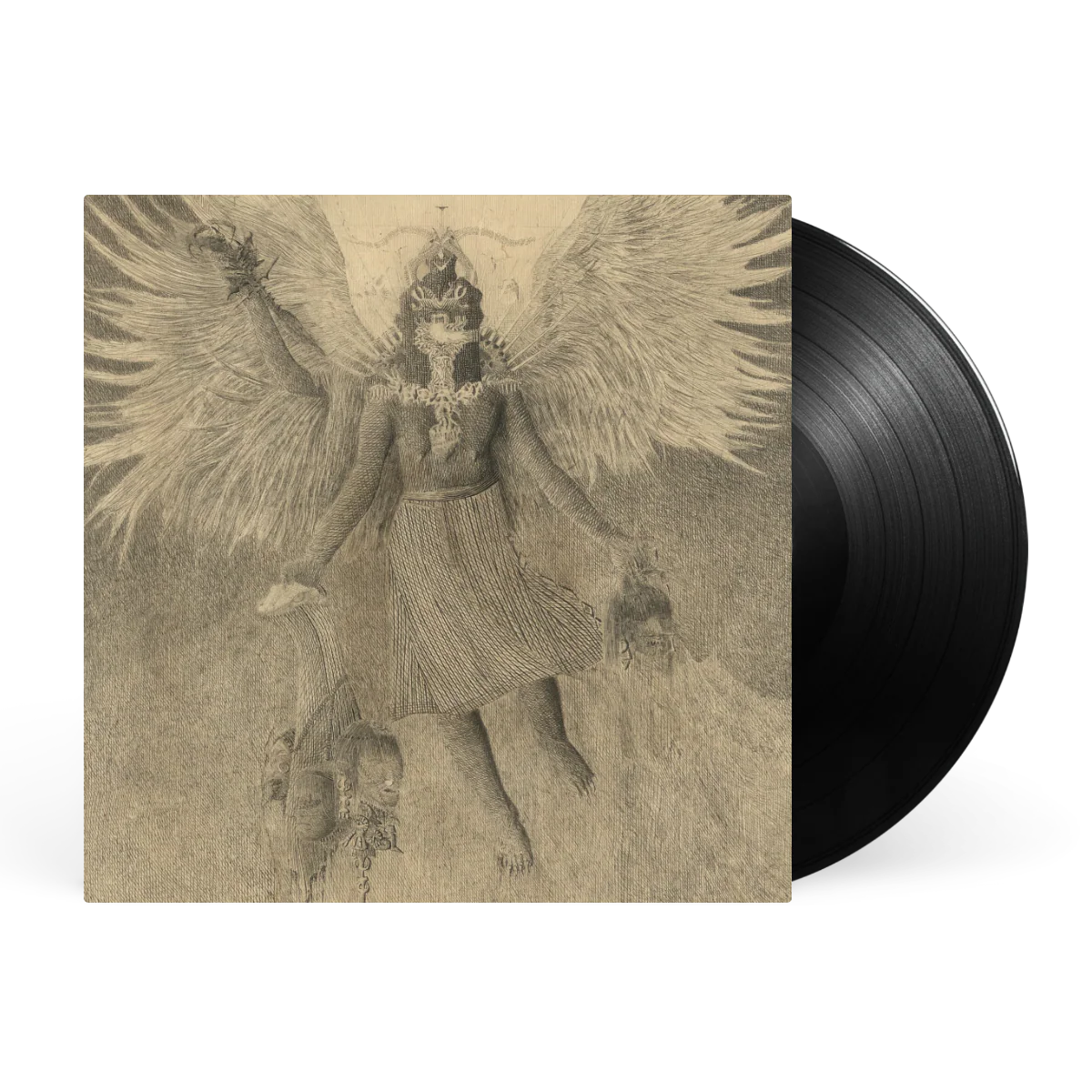
Dras
Alex Zhang Hungtai stands in stillness on Dras, but it’s the kind of stillness that contains entire ranges of possibility. Recorded in 2019 inside Montreal’s Saint Joseph Oratory (right before a piano demolition, no less), these nine pieces sat dormant on his hard drive through pandemic years until something finally clicked. What emerges now feels like watching someone trace the contours of their own interior landscape, each melodic line a careful negotiation with the unconscious. This is only a saxophone record in the barest sense.
The terrain here is tactile and unforgiving. On the title track, difficult melodies get torn apart and molded into emotive drones, dissonance interlocking where tones cut paths through the senses with metallic sheen. “El Khela” refracts into spectral layers that pull with eternal gravity, while “Estado” finds solace inside its own haze, rhythms barely audible but guiding forward with their cadence smeared against grey walls. These are small moments that become cathartic sonic breaths, each one revealing new passages through psychic geography.
There’s beauty encased in the subtle repetitions of opener “Erg,” and in the glowing progressions of “White Dwarf.” Zhang’s saxophone becomes a dowsing rod for the uncharted, with electricity running through the album’s veins while his breath anchors everything to something wordlessly human. The digital manipulation applied to those church recordings doesn’t obscure that human element of ‘Dras’. It transforms the raw material into something that navigates between external space and internal landscape.
By the time closer “Mazil” arrives, Alex Zhang Hungtai lets his saxophone speak its full resonance. Low, guttural expressions open up like chasms beneath melodic constellations floating in thick gravity. There’s a finality here even though something in these passages feels weightless. This is music permeated with inner dialogue, a wordless spell dancing above the psychic abyss. Tonal sequences disintegrate into narcotized sonics, a sharp elegant edge that cuts without drawing blood. This lonely work of exploration becomes something communal. ‘Dras’ is a map for traversing the space between where we are and where we might go.
Product Information
Product Information
Shipping & Returns
Shipping & Returns
Description
Alex Zhang Hungtai stands in stillness on Dras, but it’s the kind of stillness that contains entire ranges of possibility. Recorded in 2019 inside Montreal’s Saint Joseph Oratory (right before a piano demolition, no less), these nine pieces sat dormant on his hard drive through pandemic years until something finally clicked. What emerges now feels like watching someone trace the contours of their own interior landscape, each melodic line a careful negotiation with the unconscious. This is only a saxophone record in the barest sense.
The terrain here is tactile and unforgiving. On the title track, difficult melodies get torn apart and molded into emotive drones, dissonance interlocking where tones cut paths through the senses with metallic sheen. “El Khela” refracts into spectral layers that pull with eternal gravity, while “Estado” finds solace inside its own haze, rhythms barely audible but guiding forward with their cadence smeared against grey walls. These are small moments that become cathartic sonic breaths, each one revealing new passages through psychic geography.
There’s beauty encased in the subtle repetitions of opener “Erg,” and in the glowing progressions of “White Dwarf.” Zhang’s saxophone becomes a dowsing rod for the uncharted, with electricity running through the album’s veins while his breath anchors everything to something wordlessly human. The digital manipulation applied to those church recordings doesn’t obscure that human element of ‘Dras’. It transforms the raw material into something that navigates between external space and internal landscape.
By the time closer “Mazil” arrives, Alex Zhang Hungtai lets his saxophone speak its full resonance. Low, guttural expressions open up like chasms beneath melodic constellations floating in thick gravity. There’s a finality here even though something in these passages feels weightless. This is music permeated with inner dialogue, a wordless spell dancing above the psychic abyss. Tonal sequences disintegrate into narcotized sonics, a sharp elegant edge that cuts without drawing blood. This lonely work of exploration becomes something communal. ‘Dras’ is a map for traversing the space between where we are and where we might go.