Coal Mining
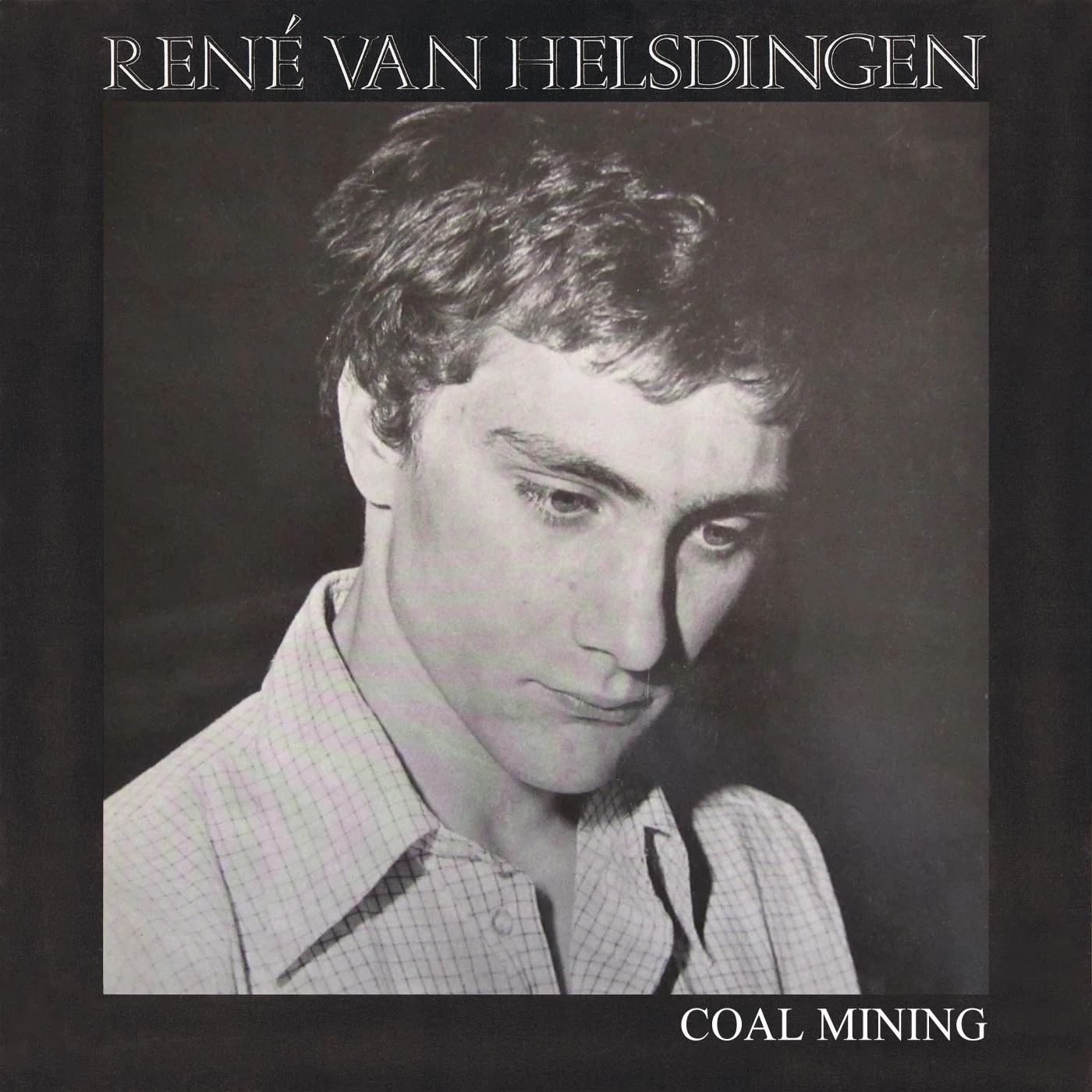
Sdban Records with the first official reissue of Coal Mining, the 1978 debut album by Dutch jazz pianist René van Helsdingen. This album marks a significant milestone—the beginning of van Helsdingen’s decades-spanning career as an innovative and independent musician.
Coal Mining was originally released on Munich Records, a respected Dutch jazz and roots label founded by music producer and musician Job Zomer. The album features a blend of jazz influences from giants such as Oscar Peterson, McCoy Tyner, and Bill Evans, and showcases van Helsdingen’s distinctive voice as a composer and pianist at the very start of his professional Journey.
The record includes contributions from a rich ensemble of musicians, including Wim Essed (bass), Klaus Flenter (guitar), Børge Ring (double bass), Henk Zomer (drums), Martijn Nesenberend (drums), Dick Pluim (bass), and even a student orchestra formed during van Helsdingen’s time at Delft University. Often mistakenly referred to as Piano, a result of the album’s back cover design prominently featuring the word, Coal Mining is both a literal and symbolic title. It alludes not only to van Helsdingen’s brief academic past, but to the depth and labor of jazz creation itself: layered, gritty, and forged under Pressure.
A year after the album’s release, van Helsdingen moved to Los Angeles to continue his jazz studies. While living in Hollywood, he shared a house with future musical collaborators including Kent Brinkley, Essiet Okon Essiet, Brian Batie, John Rigby, Edmond Allmond, David Best and John Butler. Even in the early stages of his career, van Helsdingen displayed the entrepreneurial spirit that would define his path, self-releasing albums and even pioneering an early form of crowdfunding by selling 400 ad spaces on record sleeve to finance an LP project. After his jazz studies in Los Angeles, he performed extensively in Europe, Canada, the U.S. Australia and Asia, often traveling with his own ‘Stage bus’, which housed both a stage and instruments.
Original: $53.34
-70%$53.34
$16.00Coal Mining
Sdban Records with the first official reissue of Coal Mining, the 1978 debut album by Dutch jazz pianist René van Helsdingen. This album marks a significant milestone—the beginning of van Helsdingen’s decades-spanning career as an innovative and independent musician.
Coal Mining was originally released on Munich Records, a respected Dutch jazz and roots label founded by music producer and musician Job Zomer. The album features a blend of jazz influences from giants such as Oscar Peterson, McCoy Tyner, and Bill Evans, and showcases van Helsdingen’s distinctive voice as a composer and pianist at the very start of his professional Journey.
The record includes contributions from a rich ensemble of musicians, including Wim Essed (bass), Klaus Flenter (guitar), Børge Ring (double bass), Henk Zomer (drums), Martijn Nesenberend (drums), Dick Pluim (bass), and even a student orchestra formed during van Helsdingen’s time at Delft University. Often mistakenly referred to as Piano, a result of the album’s back cover design prominently featuring the word, Coal Mining is both a literal and symbolic title. It alludes not only to van Helsdingen’s brief academic past, but to the depth and labor of jazz creation itself: layered, gritty, and forged under Pressure.
A year after the album’s release, van Helsdingen moved to Los Angeles to continue his jazz studies. While living in Hollywood, he shared a house with future musical collaborators including Kent Brinkley, Essiet Okon Essiet, Brian Batie, John Rigby, Edmond Allmond, David Best and John Butler. Even in the early stages of his career, van Helsdingen displayed the entrepreneurial spirit that would define his path, self-releasing albums and even pioneering an early form of crowdfunding by selling 400 ad spaces on record sleeve to finance an LP project. After his jazz studies in Los Angeles, he performed extensively in Europe, Canada, the U.S. Australia and Asia, often traveling with his own ‘Stage bus’, which housed both a stage and instruments.
Product Information
Product Information
Shipping & Returns
Shipping & Returns
Description
Sdban Records with the first official reissue of Coal Mining, the 1978 debut album by Dutch jazz pianist René van Helsdingen. This album marks a significant milestone—the beginning of van Helsdingen’s decades-spanning career as an innovative and independent musician.
Coal Mining was originally released on Munich Records, a respected Dutch jazz and roots label founded by music producer and musician Job Zomer. The album features a blend of jazz influences from giants such as Oscar Peterson, McCoy Tyner, and Bill Evans, and showcases van Helsdingen’s distinctive voice as a composer and pianist at the very start of his professional Journey.
The record includes contributions from a rich ensemble of musicians, including Wim Essed (bass), Klaus Flenter (guitar), Børge Ring (double bass), Henk Zomer (drums), Martijn Nesenberend (drums), Dick Pluim (bass), and even a student orchestra formed during van Helsdingen’s time at Delft University. Often mistakenly referred to as Piano, a result of the album’s back cover design prominently featuring the word, Coal Mining is both a literal and symbolic title. It alludes not only to van Helsdingen’s brief academic past, but to the depth and labor of jazz creation itself: layered, gritty, and forged under Pressure.
A year after the album’s release, van Helsdingen moved to Los Angeles to continue his jazz studies. While living in Hollywood, he shared a house with future musical collaborators including Kent Brinkley, Essiet Okon Essiet, Brian Batie, John Rigby, Edmond Allmond, David Best and John Butler. Even in the early stages of his career, van Helsdingen displayed the entrepreneurial spirit that would define his path, self-releasing albums and even pioneering an early form of crowdfunding by selling 400 ad spaces on record sleeve to finance an LP project. After his jazz studies in Los Angeles, he performed extensively in Europe, Canada, the U.S. Australia and Asia, often traveling with his own ‘Stage bus’, which housed both a stage and instruments.